The Cat Who Stole Christmas
As an embroidery designer and product reviewer, I’ve evaluated countless machine embroidery designs. The Cat Who Stole Christmas stands out for its charm, clarity, and versatility. It’s a design that feels like it was made to be stitched, not just downloaded. Whether you’re working on custom apparel, holiday gifts, or small business merchandise, this design has potential—but it also comes with some practical considerations.
First Impressions: A Whimsical Holiday Design
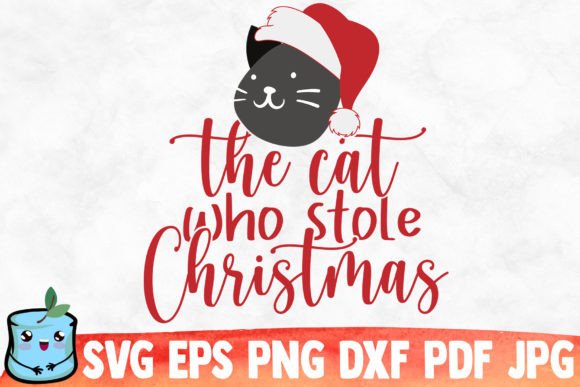
The Cat Who Stole Christmas immediately evokes a sense of playful nostalgia. The cat is depicted in a classic holiday scene, stealing a present with a mischievous grin. The layout is clean, with a central focus on the character and a subtle background that doesn’t overwhelm the main subject. The level of detail is just right—enough to make the design visually engaging without being too intricate for most embroidery machines.
This design would fit naturally into a range of projects, from embroidered patches and tote bags to baby clothes and holiday ornaments. Its theme is timeless, making it a strong candidate for both personal and commercial use.
Real-World Embroidery Performance
Testing The Cat Who Stole Christmas on different fabrics and hoop sizes revealed a few key insights. On standard cotton or polyester blends, the design stitches cleanly, with good definition in the cat’s features and the holiday elements. However, the stitch density is moderate, so it’s important to ensure proper stabilizer use, especially on lighter or stretchy materials.
For custom apparel like sweatshirts or t-shirts, the design works well, but it may require some adjustments if used on dark-colored garments. The contrast between the cat and the background can be tricky, so testing with black and white mockups is essential. For baby items, the design is appropriate, but care should be taken with any small details that might snag or wear over time.
On curved surfaces like caps or hats, the design holds up, but it’s worth noting that the corners and edges are slightly more delicate. This could affect how the design looks when stitched onto a rounded surface. For embroidered patches, The Cat Who Stole Christmas is a solid choice, as it maintains its visual appeal even at smaller scales.
Where to Use It Carefully
While The Cat Who Stole Christmas is generally well-suited for a variety of projects, there are some scenarios where caution is needed. Small hoop sizes may limit the ability to stitch the entire design without re-hooping, which can be time-consuming. On textured fabrics or thin materials, the design might not show as clearly, especially if the fabric absorbs the thread or causes puckering.
Dense stitch areas, such as the cat’s fur or the background, may require careful attention to prevent the fabric from becoming stiff or losing its softness. For products that will be washed frequently, like kitchen towels or aprons, the design’s durability should be tested before mass production. Additionally, if the design is intended for commercial use, verifying the licensing terms is crucial to avoid any legal issues.
Impact on Visual Appeal and Customer Perception
The Cat Who Stole Christmas has a strong visual presence that can elevate any handmade product. Its whimsical nature makes it appealing for personalized gifts, especially during the holiday season. When stitched properly, it adds a touch of personality and craftsmanship that customers often appreciate.
From a business perspective, this design can enhance brand consistency, particularly for shops focused on holiday or pet-themed items. It also supports buyer engagement, as the design’s recognizable and relatable theme can drive interest and sales. However, the success of the finished product depends largely on how well the design is executed and presented.
Practical Designer Notes
Before using The Cat Who Stole Christmas in a real project, I recommend testing it on scrap fabric to assess how it looks and behaves. Pay close attention to the stitch density and how the design interacts with different thread colors. If the design is intended for dark fabrics, consider adjusting the color scheme to ensure visibility.
Check the hoop size required for the design, as some embroidery machines may have limitations. Also, inspect small details like the cat’s eyes or the present’s ribbon to make sure they’re clear and well-defined. For commercial projects, confirm that the design’s licensing allows for resale or redistribution, depending on your needs.
When creating printable mockups or digital product previews, use high-quality images to showcase the design’s best features. This helps set expectations for customers and ensures that the final product meets their standards.
Final Thoughts: A Versatile Holiday Design
The Cat Who Stole Christmas is a design that balances creativity with practicality. It’s ideal for holiday-themed projects, personalized gifts, and small business merchandise. With proper execution and attention to detail, it can become a standout element in any embroidery project.
Whether you're an Etsy seller, a craft business owner, or a hobbyist looking to expand your collection, this design offers a lot of potential. Just remember to test it thoroughly and consider the specific requirements of your project before committing to large-scale production.