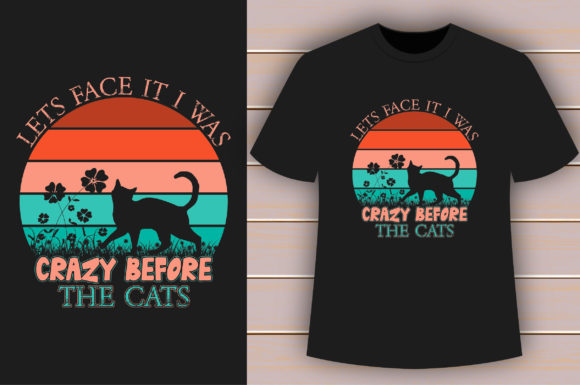
Let's Face It I Was Crazy Before the Cat
As a designer and embroidery product reviewer, I’ve seen my fair share of graphic designs that look great on a screen but fall apart in real-world use. Let’s Face It I Was Crazy Before the Cat is one such design that has potential, but it requires thoughtful consideration before being used in actual projects.
The First Impression: A Playful, Personal Touch
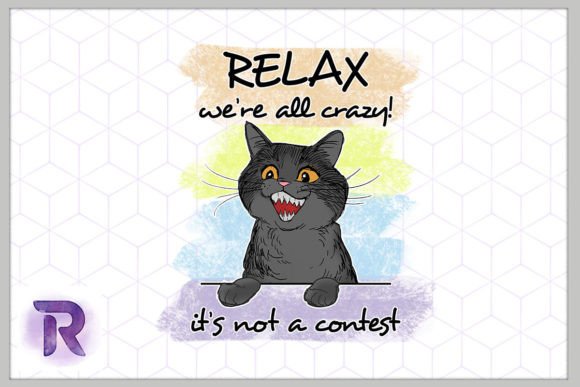
The design immediately conveys a sense of humor and personality. The phrase “Let’s Face It I Was Crazy Before the Cat” is both catchy and relatable, especially for cat lovers who can relate to the chaos that comes with feline companionship. The layout is clean, with a balanced composition that doesn’t feel cluttered. The text is centered, which makes it ideal for a variety of embroidery applications.
The visual tone is lighthearted and whimsical, making it perfect for casual wear or personalized gifts. The design doesn’t have intricate details that might be hard to translate into stitch work, which is a plus for embroidery projects that require clarity and simplicity.
Real-World Embroidery Use Cases
This design works well on custom apparel like t-shirts, sweatshirts, and tote bags. It also has potential for baby items, such as onesies or blankets, where the message can be both cute and meaningful. For small business owners, this could be a great addition to an Etsy store or craft fair booth, especially if targeting pet lovers or those who appreciate humorous graphics.
It’s also suitable for embroidered patches, aprons, and caps. The size and layout make it adaptable to different hoop sizes, though care must be taken when working with smaller hoops. The design isn’t too dense, so it should work well on most standard embroidery machines without causing issues with thread breakage or puckering.
Where to Be Cautious
While the design is versatile, there are some situations where it may not perform as expected. On textured fabrics, the stitches might not lay flat, which could affect the overall appearance. Thin or stretchy fabrics might cause the design to pucker or distort during stitching. Dark fabrics could also be an issue, as the thread color might not show up clearly unless a contrasting color is used.
For curved surfaces like caps or hoods, the design might need some adjustment to ensure the text remains legible. Tiny lettering or detailed corners could be problematic if the stitch density is too high, leading to a less-than-professional finish. It’s important to test the design on different fabric types before committing to a larger project.
Visual Appeal and Customer Perception
When properly executed, Let’s Face It I Was Crazy Before the Cat can add a unique flair to any handmade product. It’s eye-catching and easy to recognize, which helps with brand consistency and customer engagement. The design’s simplicity allows it to stand out without overwhelming the viewer, making it a good choice for commercial embroidery projects.
However, if the stitching is poor or the design is misaligned, it could lead to a lack of trust from customers. As a designer, I always recommend testing the design on scrap fabric first to ensure it looks good in real life. This is especially important for small shop products or boutique merchandise where quality matters.
Practical Designer Notes
Before using this design in your own projects, here are a few key considerations:
- Test on scrap fabric: Always try the design on a sample piece of fabric to check how it looks and feels.
- Check thread color contrast: Ensure the thread color complements the fabric and enhances the design’s visibility.
- Review stitch density: Avoid overly dense areas that could cause puckering or thread breakage.
- Confirm hoop size: Make sure the design fits within your machine’s hoop size, especially for larger projects.
- Inspect small details: Pay attention to corners and edges to ensure they’re sharp and well-defined.
- Test black and white mockups: Check how the design looks in monochrome to ensure it still reads well.
- Compare light and dark backgrounds: See how the design appears on different fabric colors to choose the best option.
- Use proper stabilizer: Stabilizers help prevent puckering and ensure even stitching, especially on delicate fabrics.
- Check licensing: Confirm whether the design is suitable for personal or commercial use before selling finished items or digital products.
Best Fit for Specific Projects
Let’s Face It I Was Crazy Before the Cat is ideal for a wide range of embroidery projects. It works well as a tote bag design, sweatshirt embroidery, or embroidered patch. For baby items, it can be a fun addition to baby embroidery or nursery decor. It also has potential as a holiday embroidery or wedding gift item, especially if paired with a heartfelt message.
As a digital embroidery file, it could be sold as part of a design asset collection for craft businesses or Etsy sellers. However, it’s important to ensure that the file format is compatible with common embroidery machines and software.
Final Thoughts
Let’s Face It I Was Crazy Before the Cat is a fun and engaging design that can elevate a variety of embroidery projects. Its clean layout and playful tone make it a strong contender for small shop products, handmade gifts, and personalized items. With proper testing and execution, it can become a valuable addition to any designer’s portfolio or product line.
As with any machine embroidery design, it’s essential to approach it with care and attention to detail. By following best practices and considering the practical aspects of embroidery, you can ensure that the final product meets both your standards and your customers’ expectations.