Cat of Honor: A Closer Look
As an embroidery designer and product reviewer, I’ve seen my fair share of digital designs. But when I came across the Cat of Honor, I wanted to take a closer look at what it offers for real-world use. This design isn’t just another file in a folder—it’s a potential staple for custom apparel, personalized gifts, and craft business items. Let’s break down what makes it stand out and where it might fall short.
The First Impression
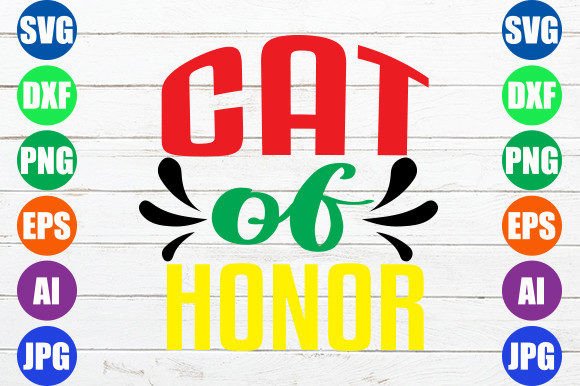
From the moment I opened the Cat of Honor files, I was struck by its clean, stylized approach. The design has a whimsical yet sophisticated feel, making it perfect for a range of projects. The cat is rendered with a balance of detail and simplicity, which is crucial for embroidery. It doesn’t overwhelm with too much complexity, but it still has enough visual interest to catch the eye.
The layout is well-structured, with the cat positioned centrally and plenty of negative space around it. That makes it versatile for different applications—whether you’re stitching it onto a tote bag, a baby onesie, or a patch. The overall mood is playful but not childish, which gives it broad appeal.
Real-Life Embroidery Scenarios
One of the first things I considered was how Cat of Honor would perform on different fabrics and project types. For example, if I were creating a custom embroidered tote bag for a client, this design could be a great fit. The size and shape make it easy to hoop and stitch without needing an oversized frame. It also works well as a embroidered patch for jackets or bags, where a smaller, detailed design is needed.
On a sweatshirt or t-shirt, the design would look good with a medium-sized hoop. The stitch density isn’t too heavy, which helps prevent puckering on lighter fabrics. If I were using it on a baby item, like a onesie or blanket, I’d want to check the thread color contrast carefully. The design uses a mix of satin and fill stitches, which can sometimes be tricky on delicate materials.
For holiday or wedding gifts, Cat of Honor could be a unique touch. Imagine it on a pillow cover or a tea towel—something that feels personal but not overly complicated. It also has potential as a printable mockup for digital product sellers, especially if they’re targeting pet lovers or cat enthusiasts.
Where to Be Careful
While Cat of Honor is generally well-designed, there are a few areas where caution is needed. If you’re working with small hoop sizes, the design might require some re-sizing or splitting into sections. That can be a hassle if you’re trying to get a quick project done.
Textured or stretchy fabrics could also pose challenges. The design relies on smooth, even stitches, so if the fabric is too bouncy or rough, it might affect the final result. Thin or dark fabrics may need extra stabilizer to prevent the stitches from showing through or becoming too visible.
Another thing to watch out for is the detail in the corners and edges. If the design has intricate lines or tiny elements, those might not come out as clearly on certain machines or with certain thread colors. I’d recommend doing a test run on scrap fabric before committing to a full project.
Impact on Visual Appeal and Customer Trust
When it comes to handmade products or personalized gifts, the visual appeal of a design can make or break a sale. Cat of Honor has a professional look that can elevate a basic item into something special. It’s the kind of design that customers might notice and remember, especially if it’s used consistently across a brand’s offerings.
For small shop owners or Etsy sellers, this design could help build brand consistency. If you’re selling pet-themed items or whimsical home decor, having a signature design like this can create a recognizable style. It also adds value to your products, making them more appealing to buyers who are looking for something unique.
Customer trust is another factor. A well-executed embroidery design shows that you care about quality. When someone sees a finished product with Cat of Honor, they’re more likely to believe that the rest of your work is equally thoughtful and professional.
Practical Designer Notes
Before jumping into any project, I always recommend testing the design on a scrap piece of fabric. This helps you see how the stitches will look and whether any adjustments are needed. You should also check the thread color contrast—especially if you’re using light or dark fabrics.
Reviewing the stitch density is important too. If the design is too dense, it might cause the fabric to pucker or the threads to break. Make sure the hoop size matches the design’s dimensions, and inspect any small details like lettering or decorative accents.
If you’re planning to sell finished items or digital products, double-check the licensing terms. Even though the product description mentions a digital download, it’s always better to confirm what’s allowed before using it commercially.
Final Thoughts
Cat of Honor is a solid choice for designers looking for a versatile, stylish embroidery design. It fits well into a variety of projects, from custom apparel to personalized gifts, and has the potential to enhance both handmade and commercial products. With careful consideration of fabric type, hoop size, and stitch settings, it can deliver a professional-looking result.
Whether you're running a craft business, selling on Etsy, or simply enjoying the art of embroidery, this design is worth exploring. Just remember to test it first and tailor it to your specific needs. After all, the best embroidery projects start with the right design—and Cat of Honor has the potential to be just that.