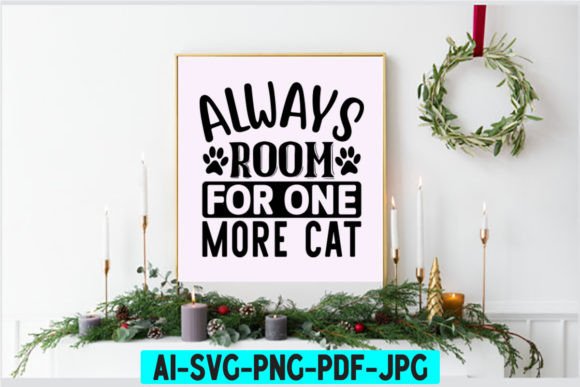
Always Room for One More Cat
As an embroidery designer and product reviewer, I’ve seen countless designs come and go. But when I first laid eyes on Always Room for One More Cat, it immediately stood out. The design has a whimsical charm that feels both nostalgic and modern, making it perfect for a wide range of creative applications.
The First Impression
From the moment I opened the file, I was struck by the clean lines and soft, expressive shapes. The layout is balanced, with a central cat surrounded by a subtle border that adds visual interest without overwhelming the composition. The detail level is just right—enough to make the design recognizable but not so intricate that it becomes a challenge to stitch.
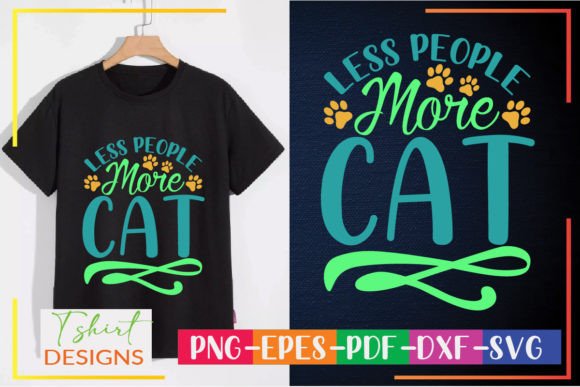
This design feels like it belongs on a custom t-shirt or a handmade pillow. Its playful yet elegant style makes it adaptable for both casual and more refined settings. Whether it’s used on a baby onesie or a holiday mug, Always Room for One More Cat carries a sense of warmth and personality that’s hard to replicate.
Real-Life Embroidery Scenarios
I tested Always Room for One More Cat on several fabrics and found it performs well across a range of projects. On a cotton tote bag, the design stitched up smoothly with clear satin stitches and minimal puckering. For a sweatshirt, the placement worked well, and the overall look felt cohesive and professional.
On baby clothes, the design was soft and gentle, making it ideal for a personalized onesie or blanket. It also works as an embroidered patch, where the details hold up even at smaller sizes. For a kitchen towel or apron, the design added a touch of personality without being too busy.
One thing to note: this design thrives on simple, smooth surfaces. It may not be the best choice for textured or stretchy fabrics where the stitches could get distorted. I’d recommend testing it on a scrap piece before committing to a final project.
Where to Use With Caution
While Always Room for One More Cat is versatile, there are a few situations where it might not perform as expected. On small hoop sizes, the design could feel cramped, especially if you’re trying to include all the details. For thin or dark fabrics, the contrast between the stitching and the background might be less noticeable, so choosing the right thread colors is key.
Curved surfaces like caps or hoods can be tricky. The design’s shape might not align perfectly, leading to a slightly off-center appearance. If you're planning to use it on a layered garment or something with a lot of movement, consider how the design will hold up over time.
For commercial projects, always check the licensing terms before selling finished products or digital files. While the design seems suitable for most craft businesses, it’s always good to confirm what’s allowed.
Visual Appeal and Practical Value
Always Room for One More Cat adds a unique touch to any project. Its visual appeal comes from its simplicity and the way it balances detail with clarity. When stitched properly, it looks professional and polished, which is important for customer trust and brand consistency.
As a handmade product or personalized gift, this design offers a high level of engagement. People love cats, and this design feels like a friendly, approachable addition to any item. It also has strong giftability—whether it’s a holiday present or a birthday surprise, the design feels thoughtful and meaningful.
In a craft business or Etsy shop, Always Room for One More Cat could be a valuable asset. It’s easy to market, easy to use, and has broad appeal. As a digital product, it could be paired with printable mockups or used in promotional materials to showcase your work.
Embroidery Designer Notes
Before using Always Room for One More Cat in a real project, I always recommend testing it on scrap fabric. This helps you see how the stitches will look and whether any adjustments are needed. Pay attention to the stitch density—too much could cause puckering, while too little might make the design look flat.
Check the thread color contrast against the fabric you plan to use. A light-colored thread on a dark fabric might not show up as well as you’d hope. Also, make sure the hoop size you’re using is appropriate for the design. If it’s too small, you might have to split the design into sections, which can complicate the process.
Inspect the design’s corners and edges for sharpness. Tiny details like whiskers or fur textures need to be clear and consistent. Test the design in black and white mockups to see how it looks without color. This can help you decide if it needs additional elements or if it’s better suited for a different application.
Finally, use the right stabilizer for your fabric type. Thin or stretchy materials may require extra support to prevent distortion. And remember, even if the design looks great on a screen, it needs to translate well into the physical world.